

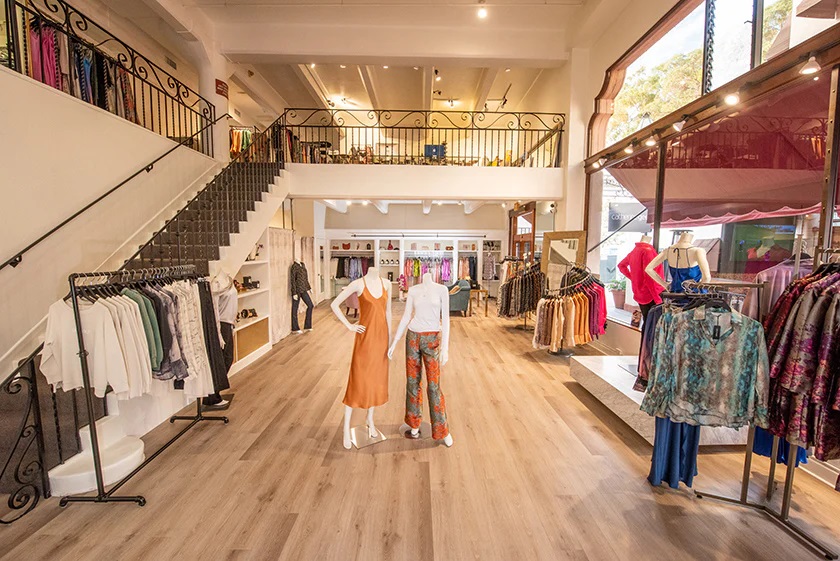
A boutique is a small, specialized retail store that focuses on curated products rather than mass-produced goods. Boutiques are known for their personalized service, distinct style, and attention to detail, making them a preferred choice for customers seeking uniqueness and quality.
Unlike large retail chains, boutiques thrive on exclusivity, creativity, and close customer relationships. They often reflect the owner’s vision, aesthetic, and understanding of a specific market niche.
What Defines a Boutique?
A boutique is characterized by its limited inventory and carefully selected products. The emphasis is not on quantity, but on quality and originality.
Key defining features include:
-
Curated collections instead of bulk stock
-
Strong brand identity and aesthetic
-
Personalized customer experience
-
Focus on niche or specialized products
Boutiques can operate both as physical stores and online platforms, adapting easily to changing consumer behavior.
Types of Boutiques
Boutiques exist across multiple industries, each catering to specific customer preferences.
Fashion Boutiques
These specialize in clothing, footwear, and accessories, often featuring:
-
Designer or limited-edition apparel
-
Trend-focused or timeless styles
-
Custom tailoring or alterations
Lifestyle Boutiques
Lifestyle boutiques combine multiple product categories such as:
-
Home décor
-
Wellness products
-
Stationery and gifts
They focus on creating a cohesive lifestyle theme rather than selling a single product type.
Luxury Boutiques
Luxury boutiques offer high-end products and exclusive brands, emphasizing:
-
Premium materials
-
Exceptional craftsmanship
-
Elevated in-store experience
Online Boutiques
Online boutiques operate digitally, allowing owners to:
-
Reach a global audience
-
Reduce overhead costs
-
Experiment with niche markets
Why Boutiques Are Popular
Boutiques have gained popularity due to shifting consumer preferences toward authentic and meaningful shopping experiences.
Reasons customers choose boutiques include:
-
Unique products not found in mainstream stores
-
Personalized recommendations
-
Support for small and local businesses
-
Higher perceived product value
This emotional connection often leads to stronger customer loyalty.
How to Start a Boutique
Starting a boutique requires creativity, planning, and market understanding.
Identify Your Niche
Choose a specific target audience and product focus, such as sustainable fashion, plus-size apparel, or handmade accessories.
Develop a Brand Identity
Your boutique’s name, logo, and store design should align with your brand story and appeal to your ideal customer.
Source Quality Products
Work with reliable suppliers, independent designers, or artisans to ensure consistency and quality.
Choose the Right Sales Channel
Decide whether your boutique will be:
-
Brick-and-mortar
-
Online-only
-
A hybrid of both
Each option has distinct operational and financial considerations.
Focus on Customer Experience
Exceptional service, thoughtful packaging, and engaging communication help differentiate your boutique from competitors.
Challenges Boutique Owners Face
While boutiques offer creative freedom, they also come with challenges.
Common challenges include:
-
Limited inventory budgets
-
Strong competition from larger retailers
-
Seasonal demand fluctuations
-
Marketing and brand visibility
Addressing these challenges requires adaptability, strategic pricing, and consistent branding.
The Future of Boutiques
Boutiques continue to evolve by embracing:
-
Sustainable and ethical practices
-
Digital marketing and social commerce
-
Community-driven branding
As consumers increasingly value individuality and purpose, boutiques remain well-positioned for long-term relevance.
Frequently Asked Questions
What is the difference between a boutique and a regular store?
A boutique focuses on curated, niche products and personalized service, while regular stores emphasize mass-market inventory and scale.
Are boutiques only related to fashion?
No, boutiques can specialize in lifestyle products, home décor, beauty, gifts, and even specialty foods.
Can a boutique be profitable?
Yes, with the right niche, pricing strategy, and customer engagement, boutiques can achieve strong profitability.
Do boutiques need a physical location?
Not necessarily. Many boutiques operate successfully online or use a hybrid model.
How much investment is required to start a boutique?
Startup costs vary based on inventory size, location, and business model, but boutiques generally require less capital than large retail stores.
How do boutiques attract customers?
Through branding, social media presence, word-of-mouth, and offering unique, high-quality products.
Are boutiques suitable for small business owners?
Yes, boutiques are ideal for entrepreneurs who value creativity, customer interaction, and niche markets.

Comments are closed.