

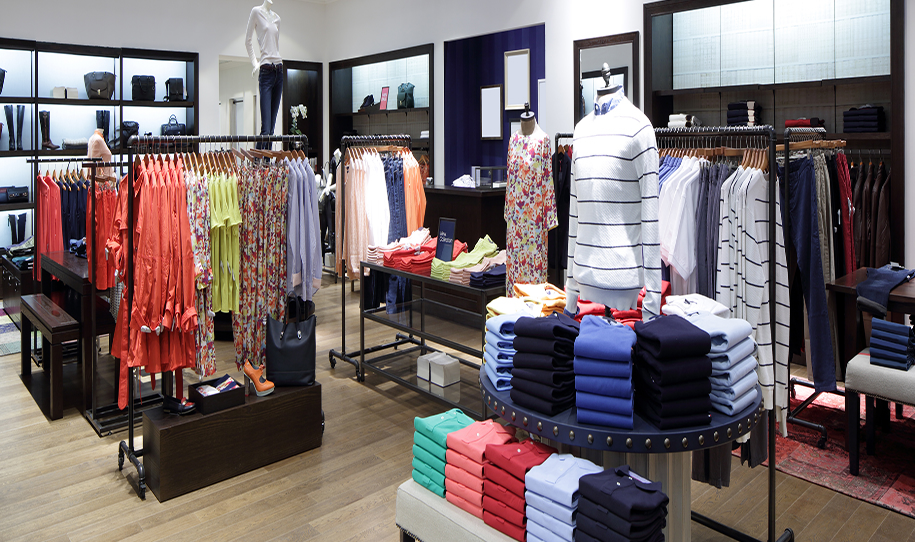
Introduction to Apparels
Apparels refer to clothing and garments designed to cover, protect, and enhance the human body. Beyond basic necessity, apparel has evolved into a powerful expression of culture, identity, lifestyle, and innovation. From everyday casual wear to high-performance sportswear and luxury fashion, the apparel industry plays a central role in global economies and personal expression.
Types of Apparels
Apparels can be broadly categorized based on purpose, style, and usage.
Casual Wear
Casual apparel focuses on comfort and everyday practicality.
-
T-shirts
-
Jeans
-
Hoodies
-
Casual dresses
Formal Wear
Formal clothing is designed for professional, ceremonial, or official settings.
-
Suits and blazers
-
Dress shirts
-
Formal gowns
-
Tailored trousers
Sportswear and Activewear
This category emphasizes performance, flexibility, and breathability.
-
Tracksuits
-
Leggings
-
Athletic shorts
-
Moisture-wicking tops
Traditional and Ethnic Wear
Traditional apparels reflect cultural heritage and regional identity.
-
Sarees and kurtas
-
Kimono
-
Dashiki
-
Lederhosen
Seasonal Wear
Seasonal clothing adapts to climate and weather conditions.
-
Winter coats and jackets
-
Rainwear
-
Summer dresses
-
Thermal wear
Fabrics and Materials Used in Apparels
The choice of fabric defines comfort, durability, and appearance.
Natural Fabrics
-
Cotton – Breathable and versatile
-
Wool – Warm and insulating
-
Silk – Luxurious and smooth
-
Linen – Lightweight and cooling
Synthetic Fabrics
-
Polyester – Durable and wrinkle-resistant
-
Nylon – Strong and flexible
-
Spandex – Stretchable and form-fitting
-
Acrylic – Lightweight wool alternative
Sustainable and Eco-Friendly Materials
Growing awareness has driven demand for responsible apparel materials.
-
Organic cotton
-
Bamboo fabric
-
Recycled polyester
-
Hemp textiles
Key Apparel Trends Shaping the Industry
Fashion trends are constantly evolving, influenced by technology, culture, and consumer behavior.
Sustainable Fashion
Brands are adopting ethical sourcing, eco-friendly dyes, and circular fashion models to reduce environmental impact.
Minimalist Designs
Clean cuts, neutral colors, and timeless silhouettes are gaining popularity for their versatility and longevity.
Smart and Functional Clothing
Innovations include temperature-regulating fabrics, UV protection, and wearable technology integration.
Customization and Personalization
Consumers increasingly prefer made-to-order and customized apparel that reflects individual style.
The Role of Apparels in Modern Lifestyle
Apparels today go beyond aesthetics. They influence confidence, productivity, and even performance. Workplace dress codes, fitness culture, and social media trends have transformed how people perceive and choose clothing. Apparel choices now balance comfort, style, and purpose more than ever before.
The Future of Apparels
The apparel industry is moving toward a future defined by innovation and responsibility. Advancements such as 3D garment printing, AI-driven design, and biodegradable fabrics are reshaping production and consumption. Transparency, inclusivity, and sustainability will continue to define successful apparel brands in the years ahead.
Frequently Asked Questions (FAQs)
What is the difference between apparel and clothing?
Apparel is a broader term that includes all types of clothing, often used in a commercial or industry context, while clothing is more general and informal.
How do I choose the right fabric for daily wear?
For everyday use, breathable and soft fabrics like cotton or blends offer comfort and durability.
Why is sustainable apparel important?
Sustainable apparel reduces environmental impact, conserves resources, and promotes ethical labor practices.
What factors influence apparel trends?
Cultural shifts, technology, climate, celebrity influence, and consumer preferences all shape fashion trends.
How can apparel affect personal confidence?
Well-fitted and appropriate clothing enhances self-image, comfort, and confidence in social and professional settings.
Are synthetic fabrics bad for the environment?
Some synthetic fabrics contribute to pollution, but recycled and responsibly produced synthetics can reduce environmental harm.
What should I look for when buying quality apparel?
Check fabric quality, stitching, fit, comfort, and care instructions to ensure long-lasting wear.

Comments are closed.